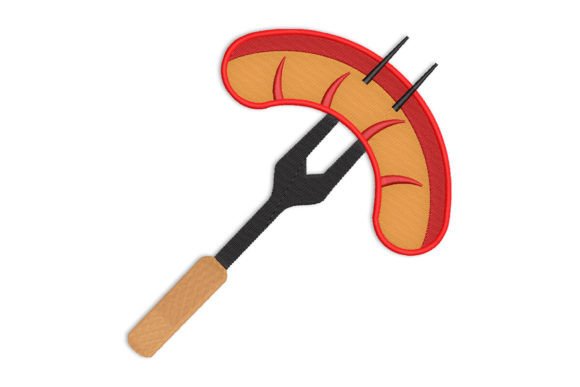
Sausage and Barbeque Fork: A Designer’s Review
As a designer who has spent countless hours digitizing and testing machine embroidery designs, I have learned that the difference between a cute idea and a sellable product often comes down to execution. When I first loaded the Sausage and Barbeque Fork file into my software, I was looking for more than just a whimsical shape. I wanted to know if this design could hold up under the scrutiny of a paying customer and the mechanical stress of high-speed stitching. This review breaks down the practical realities of using this Kitchen-themed Embroidery asset in real-world projects.
First Impressions and Visual Personality
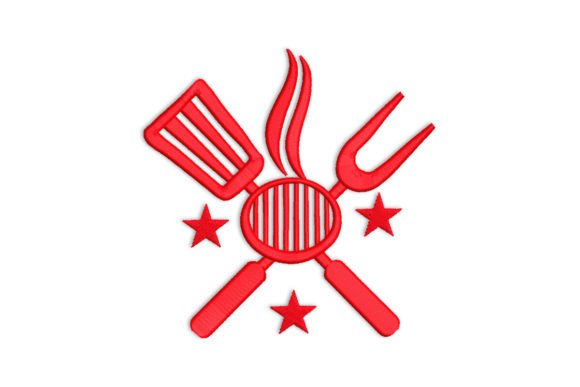
The initial visual impact of the Sausage and Barbeque Fork design is undeniably charming. It carries a playful, rustic mood that fits perfectly into the current trend of cottagecore and quirky home decor. The layout is balanced, avoiding the cluttered look that plagues many novelty designs. For an embroidery project to succeed, the silhouette must be readable from a distance. This design achieves that clarity. The theme suggests warmth, humor, and a love for food, making it an instant conversation starter.
However, charm alone does not make a good digital embroidery file. I immediately checked the stitch types. A mix of satin stitch for outlines and fill stitch for larger areas is standard, but the transition between them is where quality is determined. In this case, the design appears to use clean running stitch details for finer elements, which helps reduce bulk. This is crucial for maintaining a professional finish on a handmade product.
Real-World Application: The Custom Apron Test
To truly evaluate the Sausage and Barbeque Fork, I imagined a specific client scenario. A local boutique owner wanted a line of custom apparel for a summer barbecue series. She needed something that looked good on heavy cotton aprons but wouldn’t feel stiff or uncomfortable. This is where the design’s potential shines.
Stitching this onto a thick canvas apron provides a stable base. The fabric texture supports the stitch density without puckering. When I visualize the finished product, the whimsical nature of the fork adds personality to what is otherwise a utilitarian item. It transforms a basic kitchen tool accessory into a personalized gift or a standout small shop product. For an Etsy seller, this kind of specific, themed design can help niche down their audience, attracting buyers who appreciate culinary humor.
Versatility Across Product Types
Beyond aprons, this design has broader applications. Consider a tote bag design. The bold lines of the fork would stand out against natural linen or canvas. For sweatshirt embroidery, the design needs to be scaled correctly to avoid looking lost on a large chest area or too crowded on a sleeve. It also works well as an embroidered patch, allowing for batch production before application. This flexibility makes it a valuable asset for craft business owners who need to maximize their inventory with minimal new digitizing work.
For baby embroidery, one might hesitate due to the theme, but for a toddler’s bib or a playful nursery decor item, it could work if the color palette is softened. Holiday embroidery projects, such as Father’s Day gifts or summer picnic sets, are another natural fit. The key is matching the thread colors to the occasion. Bright reds and yellows evoke a classic barbecue feel, while muted earth tones create a more sophisticated, modern aesthetic.
Technical Considerations and Stitching Challenges
While the design is appealing, there are technical constraints to consider. Any experienced designer knows that stitch density can make or break a project. If the fill areas are too dense, the fabric may pucker, especially on thinner materials like t-shirts or tea towels. I recommend testing the design on scrap fabric first. This allows you to adjust tension and check for registration issues before committing to a final piece.
Hoop size is another critical factor. Ensure your machine can accommodate the dimensions of the Sausage and Barbeque Fork. If the design is large, you may need a hoop that supports the entire motif to prevent shifting. For curved surfaces like caps or hats, stabilization is non-negotiable. A strong cut-away stabilizer is often necessary to keep the design crisp and prevent distortion over time.
Dark fabric presents its own challenges. If you are stitching on black or navy, you must ensure the thread colors have enough contrast. A printable mockup can help visualize this before you thread your needle. Additionally, check for small details that might get lost. Tiny lettering or intricate corners can become messy if the needle deflection is not accounted for. Inspect the design at 100% zoom in your software to identify any potential jump stitches or dense clusters that might cause thread breaks.
Enhancing Brand Value and Customer Trust
For commercial embroidery and digital product sellers, the quality of the embroidery file directly impacts brand consistency. A sloppy stitch-out reflects poorly on your professionalism. Conversely, a clean, well-executed Sausage and Barbeque Fork builds customer trust. It shows attention to detail and care in creation. This level of quality encourages buyer engagement and can lead to repeat business.
When creating design assets for your shop, consider how this embroidery project fits into your broader collection. Does it complement other Kitchen items? Does it appeal to your target demographic? Using high-quality images and accurate descriptions helps customers understand what they are buying. If you are selling the finished product, highlight the durability and washability of the item. If you are selling the digital embroidery file, provide clear instructions on recommended stabilizer and thread types.
Practical Designer Notes
- Test on Scrap Fabric: Always run a test stitch-out to check tension and density.
- Check Thread Contrast: Ensure your thread colors pop against the chosen fabric background.
- Review Stitch Density: Adjust if necessary to prevent puckering on lightweight fabrics.
- Confirm Hoop Size: Make sure your machine’s hoop can handle the design dimensions.
- Inspect Small Details: Look for tiny elements that may not stitch out cleanly.
- Use Proper Stabilizer: Match the stabilizer type to the fabric weight and stretch.
- Verify Licensing: Before selling finished items or digital products, confirm the license terms provided with the file.
In conclusion, the Sausage and Barbeque Fork is a solid choice for designers looking to add a touch of whimsy to their portfolio. It performs well on sturdy fabrics like towels and pillows, and with careful attention to technical details, it can elevate a simple handmade product into a desirable commodity. Whether you are an hobbyist creating a personalized gift or an entrepreneur building a craft business, this design offers a blend of charm and practicality. Just remember to respect the technical requirements of machine embroidery, and you will achieve a finished product that delights both you and your customers.