Reviewing the Openwork Christmas Tree for Real Projects
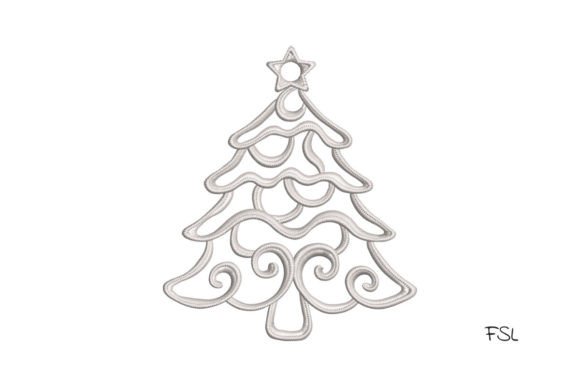
As a designer who spends half my life staring at stitch simulations and the other half pulling threads out of bobbin cases, I have learned to be skeptical of holiday motifs. The market is flooded with generic trees and snowflakes that look fine on a screen but turn into a tangled mess on fabric. However, when I first loaded the Openwork Christmas Tree into my software, I paused. It wasn’t just another filled triangle. It was a structural challenge, a lace-like interpretation of a fir tree that demanded precision rather than just density.
This isn’t a design you slap onto a thick towel and forget. It requires intention. I wanted to evaluate this piece not as a static image, but as a functional component in a real-world embroidery project. Could it hold its own on a custom apparel line? Would it survive the wash cycle on a baby item? Let’s break down how this design performs when the needle actually hits the fabric.
The Aesthetic First Impression
The immediate mood of the Openwork Christmas Tree is airy and sophisticated. Unlike traditional designs that rely on heavy fill stitch coverage to create shape, this design uses negative space and strategic running stitch outlines to define the branches. It feels less like a cartoon and more like a delicate ornament. For an Etsy seller or boutique owner, this distinction matters. Customers are increasingly drawn to minimalist, modern holiday decor that doesn’t scream "novelty."
The visual personality here is elegant. It suggests a quiet winter morning rather than a chaotic party. This makes it incredibly versatile for high-end handmade product lines. If you are building a brand around subtle, timeless aesthetics, this design fits seamlessly. It avoids the clutter that often plagues seasonal embroidery file collections, offering a clean silhouette that reads well from a distance.
Real-World Application: The Tote Bag Test
To truly understand the utility of this design, I mentally placed it on a canvas tote bag. This is a common request for craft business owners during the holiday rush. A standard filled tree might feel too heavy or stiff on a flexible canvas, but the openwork nature of this fir tree allows the fabric texture to show through. This integration of fabric texture with the stitching creates a premium feel.
However, there is a catch. Because the design relies on open spaces, the stability of the base material is crucial. On a sturdy cotton canvas, it looks exquisite. But if you were to attempt this on a thin, stretchy jersey for a sweatshirt embroidery project without proper support, you risk distortion. The gaps in the design mean there is less thread holding the fabric together in those specific areas. For a personalized gift like a monogrammed tote, this design works beautifully as a central focal point, perhaps paired with simple text below it.
Fabric and Stabilizer Considerations
Let’s talk about the technical side, because this is where many hobbyists stumble. The Openwork Christmas Tree is not forgiving of poor stabilization. Since it mimics lace, it requires a stabilizer that can hold the structure without being so stiff that it cracks after washing. I recommend a medium-weight cut-away stabilizer for garments and a tear-away for stable home decor items like pillow covers or kitchen towels.
Thread choice is equally critical. With openwork designs, the thread itself becomes part of the architecture. A matte rayon or polyester thread in a deep forest green or classic red will provide excellent contrast against light fabrics. If you are working on dark fabric, consider using a metallic thread for the outlines to catch the light, enhancing the festive vibe without adding bulk. Always check your thread colors against your material before committing to a full production run.
Where to Use It Carefully
While versatile, this design has limitations. Do not use it on highly textured fabrics like bouclé or heavy wool coats. The fine details of the openwork will get lost in the pile. Similarly, be cautious with very small hoop size applications. If you shrink this design too much, the delicate bridges between stitches may break or fail to form properly. It needs room to breathe.
- Avoid using on stretchy knits without extensive testing.
- Do not place on curved surfaces like caps unless you have experience with complex hooping.
- Be mindful of dense stitch areas nearby; balance the visual weight.
- Check licensing terms if selling finished items commercially.
Commercial Viability and Brand Consistency
For small shop product creators, consistency is key. This design offers a level of professionalism that elevates perceived value. It doesn’t look like a free download found on a forum. It looks curated. When used in commercial embroidery projects, such as branded aprons for a holiday pop-up shop or uniform patches, it conveys attention to detail.
I also considered its use in digital previews. A printable mockup featuring this design on a neutral linen background sells the idea of "cozy luxury." It helps buyers visualize the finished product in their own homes. For digital embroidery file sellers, offering this as part of a curated holiday collection could attract customers looking for something beyond the standard fare.
Practical Designer Notes
Before you load this into your machine for a client order, follow these steps to ensure success:
- Test on scrap fabric first. Never skip this step. Verify that the open spaces don’t cause puckering.
- Review stitch density. Ensure your machine can handle the transition between solid outlines and open areas smoothly.
- Inspect small details. Zoom in on your software to check for any stray stitches or potential jump points.
- Confirm hoop size. Make sure the design fits comfortably within your frame with adequate margin.
- Check licensing. If you plan to sell items made with this machine embroidery design, verify the commercial use rights provided by the creator.
The Openwork Christmas Tree is a standout piece for those who appreciate the artistry of embroidery. It challenges the maker to think about structure and material, rewarding them with a result that is both festive and refined. Whether you are creating a baby embroidery project for a newborn’s first Christmas or designing a signature tote bag design for your holiday market stall, this motif offers a blend of elegance and practicality that is rare in seasonal collections. Treat it with respect, stabilize it properly, and it will become a staple in your creative toolkit.