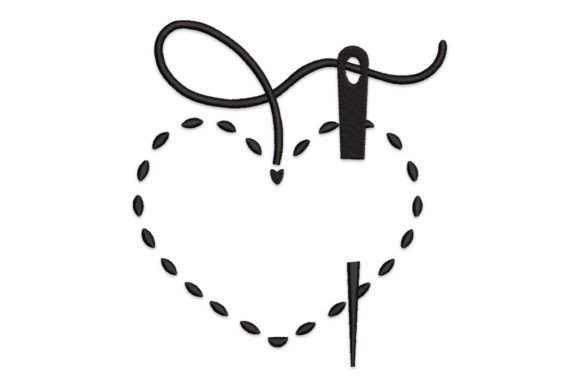
Thread and Needle: A Designer’s Review for Personalized Gifts
As an embroidery designer who has spent years refining digitized patterns for small businesses and independent crafters, I approach every new machine embroidery design with a critical eye. It is not just about whether the pattern looks good on a screen; it is about how it performs in the hoop, how it feels to the touch, and ultimately, how it resonates with the end customer. Recently, I tested the Thread and Needle design, a charming heart-themed motif intended for sewing-related arts and crafts. After running it through a series of rigorous tests on various fabrics and stabilizers, I am ready to share my insights for fellow Etsy sellers, gift shop owners, and handmade creators looking to elevate their product offerings.
First Impressions: Mood and Emotional Appeal
The first thing that strikes you about Thread and Needle is its inherent warmth. In a market saturated with overly complex or sterile digital patterns, this design feels authentically handmade. It captures a mood that is simultaneously sweet and elegant, making it versatile enough for a wide range of personalized gifts. The interplay between the thread and needle imagery within the heart shape suggests a love for the craft itself, which creates an immediate emotional connection with buyers who value artisanal quality.
For a wedding gift designer or a baby product creator, this emotional resonance is crucial. Customers are not just buying a stitched image; they are buying a sentiment. The design feels romantic without being cliché, and classic without being dated. This balance is rare in digital embroidery files and makes Thread and Needle a strong contender for high-value custom orders.
Versatility Across Product Lines
One of the strongest assets of this design is its adaptability. During my review, I visualized how it would perform across different categories within the Sewing and Embroidery niche. Here is where I see the most potential for small shop products:
- Baby Embroidery: When scaled down appropriately, the design works beautifully on muslin swaddle blankets or organic cotton onesies. The soft curves of the heart complement the gentle aesthetic of nursery items.
- Kitchen and Home Textiles: An embroidered towel featuring this motif becomes an instant heirloom piece. It adds a touch of personality to plain linen or cotton tea towels, transforming a utility item into a decorative keepsake.
- Wedding Keepsakes: For bridal showers or wedding favors, stitching this design onto tote bags or pillow covers creates a cohesive and memorable theme. It speaks to the union of two lives, much like the intertwining elements of the design.
- Aprons and Craft Gear: Since the design celebrates sewing, it is perfectly suited for artisan aprons. It serves as a badge of honor for hobbyists and professional seamstresses alike.
For an Etsy seller, having a single digital embroidery file that can be marketed across these diverse categories simplifies inventory management and expands your target audience. You can create a printable mockup showing the design on a blanket, then another on a tote, maximizing the perceived value of the listing.
Technical Considerations and Fabric Challenges
While the aesthetic appeal is high, practical application requires attention to detail. As experienced makers know, a design that looks perfect in software can behave differently on fabric. Here are the specific areas where I recommend caution and careful planning when using Thread and Needle.
Fabric Texture and Stability
The success of any custom embroidery project depends heavily on the relationship between the stitch density and the fabric texture. On smooth, tightly woven cottons, the design will appear crisp and clean. However, when working with textured fabrics like terry cloth towels or fluffy fleece blankets, the finer details may get lost. I advise testing on scrap fabric first to ensure the definition remains visible. If the fabric is too plush, consider using a cut-away stabilizer to provide additional support and prevent the stitches from sinking into the pile.
Small Details and Lettering
If the Thread and Needle design includes any integrated text or very fine lines, these elements require precise tuning. Small lettering can easily become illegible if the stitch count is too low or the thread color lacks contrast. Always check small details after stitching a test sample. If you plan to use this on dark fabric, ensure you are using high-contrast thread colors to maintain visibility. A light gray thread on a navy blue towel might look sophisticated in theory but disappear in practice.
Stretchy Materials and Curved Surfaces
For baby clothes or stretchy knit fabrics, hoop stability is paramount. Stretchy materials can distort during stitching, causing the heart shape to warp. Using a proper stabilizer is non-negotiable here. Additionally, if you are embroidering on curved surfaces like the corner of a pillow cover or a rounded tote bag handle, ensure your hoop size allows for secure clamping without distorting the surrounding fabric. Always confirm the recommended hoop size for the specific file version you purchase, as this information is critical for proper placement.
Enhancing Perceived Value and Customer Trust
From a business perspective, the quality of your embroidery directly influences buyer engagement and trust. A well-executed Thread and Needle design signals professionalism. When customers see clean stitch outs, consistent tension, and thoughtful placement, they perceive the product as high-quality and worth the premium price. This is especially important for commercial embroidery where repeat business relies on satisfaction.
To maximize this effect, focus on your product photography. Show close-ups of the stitch work to highlight the texture and precision. Include images of the finished product in a lifestyle setting, such as a cozy nursery or a bright kitchen, to help buyers visualize the item in their own homes. This strategy not only boosts sales but also reduces return rates by setting accurate expectations.
Practical Steps Before Selling
Before listing Thread and Needle as part of your small shop product line, take these final steps to ensure a smooth production process:
- Verify Licensing: Always check the license terms provided with the digital embroidery file. Confirm that you have the rights for commercial use if you intend to sell finished products.
- Test Thread Colors: Experiment with different thread palettes. While red and pink are traditional for hearts, consider muted earth tones for a modern look or pastels for baby items.
- Review Stitch Density: Check the stitch count and density settings in your embroidery software. Adjust if necessary to suit your specific machine and fabric combination.
- Create Mockups: Use a printable mockup to show customers how the design will look on different items before they order.
In conclusion, Thread and Needle is a delightful addition to any embroidery designer’s library. Its blend of charm and versatility makes it ideal for creating meaningful personalized gifts. By paying attention to technical details like stabilizer choice, fabric texture, and thread contrast, you can transform this simple heart design into a standout bestseller for your handmade business. Whether you are crafting a wedding gift, a baby blanket, or a custom tote, this design offers the emotional depth and aesthetic appeal that today’s conscious consumers crave.