Fishing Embroidery Design: A Designer’s Craft Fair Review
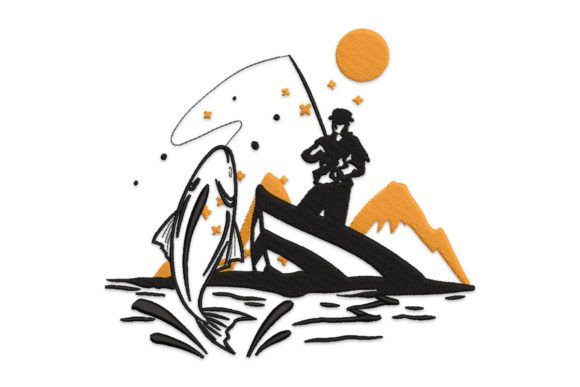
As an experienced embroidery designer who has spent countless weekends behind a craft fair booth, I know that not every digital file translates into a best-selling handmade product. When I first loaded the Fishing design into my software, I was looking for more than just aesthetic appeal. I was evaluating its potential as a high-converting craft fair product. The description promises a serene and picturesque setting, depicting individuals engaged in the peaceful activity of fishing. This thematic alignment with nature and tranquility is exactly what modern buyers are seeking, especially within the broader Camping and outdoor lifestyle niche.
First Impressions and Market Fit
The immediate visual impact of the Fishing machine embroidery design is one of rustic elegance. It does not scream for attention with neon brightness or chaotic lines; instead, it invites the viewer to pause. For a booth display, this is crucial. In a sea of loud, trendy graphics, a design that evokes peace stands out by offering a moment of calm. The style leans heavily into the farmhouse and rustic aesthetics that continue to dominate the handmade market. It feels authentic rather than manufactured, which is a key selling point for customers who value small shop product quality over mass-produced goods.
Because the size of the embroidery design can vary, allowing for versatility, it fits seamlessly into multiple product categories. This flexibility is vital for a designer who needs to maximize the utility of a single digital embroidery file. Whether placed on a large tote or a small accessory, the core message of serenity remains intact.
Product Applications and Sales Potential
To determine the commercial viability of this design, I mentally staged it across various items typically found in a successful embroidery booth. Here is how Fishing performs on key products:
- Tote Bag Design: This is arguably the strongest application. A natural canvas tote with the Fishing motif centered creates an instant statement piece. It appeals to anglers, nature lovers, and anyone who appreciates slow living. The design acts as a focal point that elevates a basic bag into a premium accessory.
- Apron Embroidery: For the home chef or the outdoor cook, an apron featuring this serene scene adds a touch of personality. It works well on the bib or the lower pocket, providing a balanced look that doesn’t interfere with functionality.
- Tea Towel Embroidery: Kitchen textiles are impulse buy favorites at craft fairs. The peaceful imagery complements the domestic setting, making it a perfect gift for housewarmings. However, care must be taken with the fabric texture to ensure the stitches lay flat.
- Embroidered Patch: Creating iron-on or sew-on patches allows for low-cost entry points for customers. The design’s clear outlines make it suitable for patch production, provided the details are not too fine for the smaller hoop size.
- Caps and Headwear: While popular, curved surfaces present challenges. The design would need to be simplified or resized significantly to fit the front panel of a cap without distortion.
Production Practicality and Batch Efficiency
From a production standpoint, time is money. A design that takes three hours to stitch is rarely profitable for a Etsy seller or craft fair vendor unless the price point is very high. The Fishing design appears to balance detail with efficiency. Because it depicts a scene rather than a complex photorealistic image, it likely relies on smart color blocking rather than excessive density. This makes it repeatable for batch production, allowing you to stitch multiple units while managing other booth tasks.
Photography is another critical factor. This design photographs exceptionally well because of its narrative quality. When creating a printable mockup or listing images for your online store, the serene setting provides natural context. You can stage the finished product near a window, with natural light highlighting the thread colors, or alongside other camping gear to reinforce the theme. This contextual storytelling increases buyer engagement and perceived value.
Technical Considerations and Careful Use
While the design is promising, there are technical hurdles to address before committing to full production. As a designer, I always advise testing the embroidery file on scrap fabric first. Here are specific areas to watch:
- Stitch Density: Check if the water or sky elements have high stitch density. Too much density on lightweight fabric like tea towels can cause puckering. Always use the appropriate stabilizer to counteract this.
- Tiny Details: If the design includes small fish or intricate line work, ensure they do not get lost when scaled down. What looks clear on a screen may become a blob of thread on a small pouch.
- Thread Colors: The serene mood relies heavily on the right palette. Blues, greens, and earth tones must contrast sufficiently with the fabric. On dark fabric, you may need to adjust underlay stitches or choose lighter thread shades to maintain visibility.
- Fabric Texture: Textured towels or thick denim can obscure fine details. Test on the exact material you plan to sell to ensure clarity.
Enhancing Brand Consistency and Booth Appeal
Incorporating Fishing into your product line can strengthen your brand identity if you position yourself as a provider of thoughtful, nature-inspired goods. It adds depth to your booth display, suggesting that your commercial embroidery work is curated with care. Customers often engage more deeply with designs that tell a story. When they see the peaceful fishing scene, they imagine themselves in that setting, which creates an emotional connection to the finished product.
For design assets and marketing, use this design to create cohesive collections. Pair it with other outdoor-themed items to create a dedicated "Camping" section in your shop. This thematic grouping helps customers browse faster and encourages multiple purchases.
Final Designer Notes
Before you list this item, confirm the specific technical details. The provided description notes that the size can vary, but it does not specify exact stitch counts, file formats, or license terms. You must check these details with the creator. Ensure you have the rights for commercial embroidery if you plan to sell physical goods. Verify the recommended hoop size to ensure it fits your machine’s capabilities.
Create at least one real mockup on your intended fabric. Compare how it looks on white versus cream canvas. Check the spacing between elements to ensure no threads jump excessively. By taking these precautions, you transform a simple digital file into a reliable revenue stream. The Fishing design offers a blend of aesthetic charm and practical versatility, making it a strong contender for your next craft fair season. With careful attention to stitch density and fabric choice, it can become a staple in your lineup of handmade treasures.