Single Rose: A Designer’s Review for Craft Fair Success
As an embroidery designer who has spent countless weekends behind a booth table, I know that not every machine embroidery design is created equal when it comes to retail. Some designs look beautiful on a screen but fail to stop a passerby in their tracks. Others are so complex they take hours to stitch, eating into your profit margins. Today, I am reviewing Single Rose, a design from the Single Flowers category, through the lens of a maker preparing for a busy handmade market season.
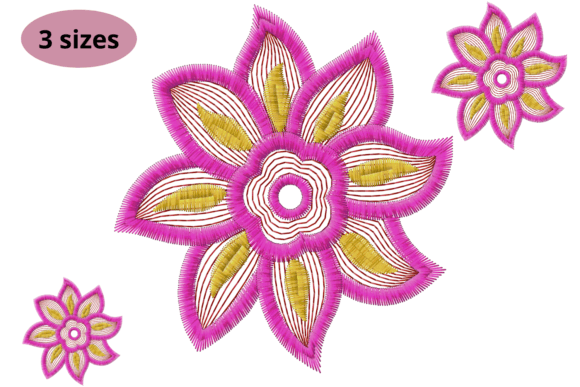
The premise of this embroidery file is simple yet powerful. It features an enchanting rose accompanied by delicate details, intended for incorporation into various home and personal items. But does simplicity sell? In my experience, yes—if executed correctly. Let’s break down how this design performs in the real world of craft fairs and online shops.
First Impressions and Aesthetic Appeal
When I first loaded Single Rose into my software, the immediate impression was one of timeless elegance. It does not scream "trendy" in a way that will feel dated next year; instead, it leans into a classic, romantic aesthetic. This makes it incredibly versatile. It feels soft and premium, avoiding the cluttered look that sometimes plagues floral designs.
For a craft fair product, clarity is king. Customers walking past your booth have seconds to decide if they want to stop. A single, well-defined rose is instantly recognizable. It communicates quality and care without needing explanation. Whether you are aiming for a farmhouse vibe, a rustic cottage look, or a modern minimalist brand, this design adapts. It is not overly cute or childish, which broadens your potential customer base significantly.
Product Versatility: Where Does It Shine?
The product description suggests bedding sets, such as duvet covers and pillowcases. While these are lovely applications, they are high-commitment purchases for a casual browser. To maximize sales at a fair or on Etsy, I recommend testing Single Rose on lower-price-point impulse buys. Here is where this design truly excels:
- Tote Bag Design: A canvas tote with a centered rose is a staple. The design acts as a focal point without overwhelming the fabric. It turns a generic bag into a handmade product with personality.
- Apron Embroidery: Place the rose on the bib or near the pocket. It adds a touch of charm to kitchenware, appealing to those who love hosting or cooking.
- Tea Towel Embroidery: This is a high-volume seller. The delicate nature of the rose complements the texture of linen or cotton towels. Ensure you use the right stabilizer to prevent puckering on these thinner fabrics.
- Embroidered Patch: If the design allows for a satin border or clean cut edges, it works beautifully as an iron-on or sew-on patch. This appeals to younger demographics looking to customize denim jackets or backpacks.
- Caps and Hats: Be cautious here. Curved surfaces can distort designs. If the rose is too wide, it may wrap awkwardly around the front panel. Test this thoroughly on scrap caps before committing to batch production.
Production Practicality for Small Shop Owners
For any Etsy seller or boutique maker, time is money. One of the strongest assets of Single Rose is its potential for repeatability. Because it is a single flower rather than a complex bouquet, it likely stitches out faster. This allows you to produce multiple units in a day, keeping your inventory stocked for weekend markets.
However, you must consider stitch density. Dense areas can cause fabric to pucker or thread to break, especially on textured materials like terry cloth towels. Before listing this as a commercial embroidery item, run tests on various fabric textures. If the design has very fine details, ensure they hold up on coarser weaves. A design that looks crisp on polished cotton might lose definition on a rough linen blend.
Photography is another critical factor. This design should photograph exceptionally well for your printable mockup needs and online listings. The contrast between the rose and a neutral background creates a clean, professional image that stands out in search results. Use natural light to highlight the sheen of the threads, emphasizing the finished product quality.
Careful-Use Notes and Technical Considerations
While Single Rose is forgiving, there are pitfalls to avoid. Do not assume one size fits all. You must check the specific hoop size requirements provided with the digital embroidery file. If the design is large, it may not fit on standard 4x4 hoops, requiring you to re-hoop or use a larger machine.
Thread choice matters immensely. Since the design relies on the beauty of a single bloom, your thread colors must be vibrant and high-quality. A muddy red or dull pink will make the design look cheap. Experiment with variegated threads to add depth to the petals, giving the rose a more lifelike appearance.
Be wary of dark fabrics. If the rose is stitched in light colors on black fabric, ensure there is enough density to cover the background completely, or use an underlay stitch effectively. Conversely, on dark fabrics, a dark rose will disappear. Always create a real mockup on the actual fabric color you intend to sell to confirm visibility.
Boosting Brand Consistency and Buyer Engagement
Incorporating Single Rose into your lineup can strengthen your brand identity. If your shop focuses on romantic, vintage, or nature-inspired goods, this design reinforces that narrative. Consistency builds trust. When customers see the same high-quality aesthetic across your tote bags, pillows, and patches, they perceive your brand as professional and cohesive.
Furthermore, this design encourages upselling. A customer might come for a tea towel but leave with a matching pouch because the design language is consistent. It creates a visual harmony in your booth display, making your table look curated rather than cluttered.
Final Designer Recommendations
Before you launch Single Rose as a key part of your small shop product range, follow these steps:
- Test on Scrap Fabric: Never skip this step. Check for tension issues and trimming needs.
- Verify Licensing: Confirm that the design assets include commercial use rights. You need to be sure you can legally sell finished products made with this file.
- Check File Formats: Ensure you have the correct format for your machine (PES, DST, JEF, etc.) to avoid conversion errors that can ruin stitch quality.
- Create Mockups: Use both physical samples and digital printable mockup tools to visualize the design on different products before investing in bulk materials.
In conclusion, Single Rose is a strong contender for any embroidery business looking to expand its floral offerings. It balances aesthetic appeal with production efficiency. By paying attention to fabric choice, stabilizer selection, and strategic product placement, you can turn this simple embroidery motif into a bestseller at your next craft fair. It is not just a design; it is a tool for building a recognizable, profitable handmade brand.