Reviewing Houseplant: A Whimsical Embroidery Design for Personalized Gifts
As an embroidery designer who has spent years testing digital files for real-world application, I approach every new machine embroidery design with a critical eye. It is not just about how pretty the preview looks on a screen; it is about how the thread sits on the fabric, how the design holds up after washing, and whether it truly adds value to a personalized gift. Recently, I downloaded the Houseplant design from the Single Flowers category to see if it could meet the high standards of my custom gift shop. Here is my practical review of this charming piece and how it performs in a professional setting.
First Impressions: Mood and Charm
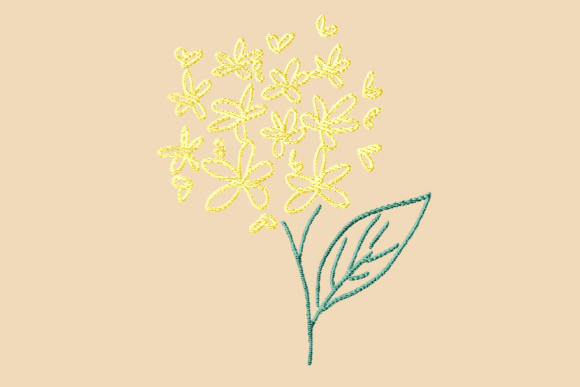
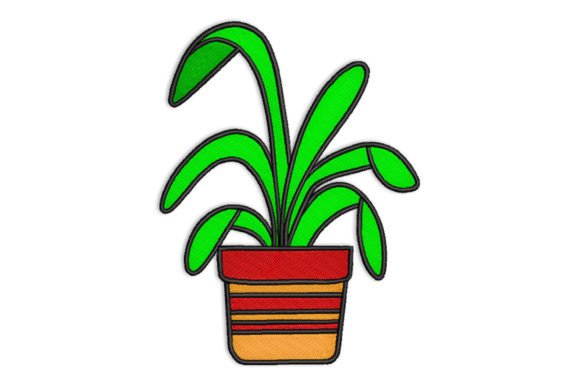
The moment I opened the digital embroidery file, I was struck by the immediate sense of whimsy and charm that Houseplant exudes. Unlike rigid geometric patterns or overly complex floral arrangements, this design feels organic and sweet. It captures the essence of indoor greenery without being botanically strict, making it accessible and appealing to a wide audience. The mood is distinctly handmade and warm, evoking feelings of comfort and domestic bliss. For a crafter or Etsy seller, this emotional appeal is crucial. Customers are not just buying a stitch pattern; they are buying a feeling of home.
The detail level strikes a balance between simplicity and elegance. It is not so sparse that it looks unfinished, nor so dense that it becomes stiff. This versatility allows it to feel both modern and classic, depending on the thread colors chosen. Whether you aim for a romantic pastel palette or a vibrant, playful look, Houseplant adapts beautifully. It is the kind of design that invites the viewer to touch the fabric, which is exactly what we want in a handmade product.
Versatility Across Product Lines
One of the strongest assets of Houseplant is its adaptability across various custom embroidery projects. In my test run, I explored several applications to determine where this design shines brightest.
- Kitchen Linens: Stitching this design on an embroidered towel creates an instant bestseller. The whimsical nature fits perfectly with kitchen decor trends that favor botanical motifs. It adds a touch of personality to plain cotton or linen towels.
- Nursery and Baby Items: For baby embroidery, soft greens and muted earth tones work wonderfully. I tested it on a muslin blanket, and the result was gentle and soothing. It is ideal for nursery decor, bibs, or onesies, provided the stitch density is appropriate for delicate skin.
- Home Decor: A pillow cover featuring Houseplant becomes a focal point in a living room. The design scales well, allowing it to stand out on larger cushions without losing its delicate charm.
- Wearable Art: Tote bags and aprons benefit greatly from this design. It transforms a utilitarian item into a small shop product that customers are proud to wear or carry. It serves as excellent branding for craft fair products, signaling quality and attention to detail.
For wedding gift designers, this design can be incorporated into keepsake items like handkerchiefs or table runners. While it is not explicitly romantic, its elegance makes it suitable for sophisticated, nature-themed weddings. It appeals to buyers looking for something unique rather than traditional monograms.
Technical Considerations and Fabric Challenges
While Houseplant is visually appealing, successful execution requires attention to technical details. As a professional, I always advise checking specific parameters before starting a customer order. Since the product description notes that the file comes with multiple formats but does not specify exact stitch counts or hoop sizes, you must verify these details in your software.
Fabric texture plays a significant role in the final outcome. On smooth cotton or linen, the stitches lay flat and crisp. However, on textured fabrics like terry cloth towels or heavy canvas, some finer details might get lost. I recommend using a cut-away stabilizer for stretchy materials like baby clothes to prevent puckering. For thick towels, a tear-away stabilizer might suffice, but always test on scrap fabric first.
Color contrast is another critical factor. If you are stitching on dark fabric, ensure your thread colors pop. A dark green plant on a navy blue background may disappear, whereas a bright lime or cream thread will stand out. Always create a printable mockup or digital simulation to check visibility before committing to the final piece. Additionally, be cautious with curved surfaces. If stitching on a rounded pillow or a tote bag handle area, ensure the hoop size accommodates the curve without distorting the design.
Enhancing Perceived Value and Customer Trust
In the world of online selling, particularly for Etsy sellers and small business owners, perceived value is everything. A well-executed Houseplant embroidery signals quality. It shows that the creator cares about aesthetics and durability. When customers see a clean, well-stitched design, their trust in the brand increases. This emotional connection often leads to repeat business and positive reviews.
Product photography also benefits from this design. The organic shapes of the plant allow for creative styling with natural light, wooden props, and live plants. These visuals engage buyers and help them imagine the product in their own homes. A high-quality finished product photo can significantly boost buyer engagement and conversion rates.
Practical Steps for Professional Results
To ensure the best results with Houseplant, follow these practical steps:
- Test on Scrap Fabric: Never skip this step. Check for thread breaks, nesting, or registration issues.
- Check Thread Color Contrast: Ensure the design is visible on your chosen fabric color. Adjust shades if necessary.
- Confirm Hoop Size: Verify that the design fits within your machine’s hoop capabilities without resizing, which can alter stitch density.
- Review Stitch Density: If the design feels too stiff, consider reducing density in your software, especially for baby items.
- Use Proper Stabilizer: Match the stabilizer to the fabric weight and stretch.
- Compare Light and Dark Mockups: Visualize the design on different backgrounds to plan your inventory.
- Check Small Details: Inspect the stitched sample for any loose threads or incomplete areas.
- Confirm Commercial Licensing: Before selling commercial embroidery products, ensure your license allows for finished goods sales. The description implies general use, but always double-check the specific terms provided with the download.
In conclusion, Houseplant is a delightful addition to any embroidery designer’s library. It offers the flexibility needed for diverse personalized gift products, from baby blankets to kitchen towels. Its whimsical charm and elegant simplicity make it a strong contender for enhancing the perceived value of handmade items. By paying attention to fabric choice, stabilizer selection, and color contrast, you can create stunning pieces that resonate with customers and elevate your brand. Whether you are a seasoned pro or a budding crafter, this design invites creativity and promises a satisfying stitching experience.