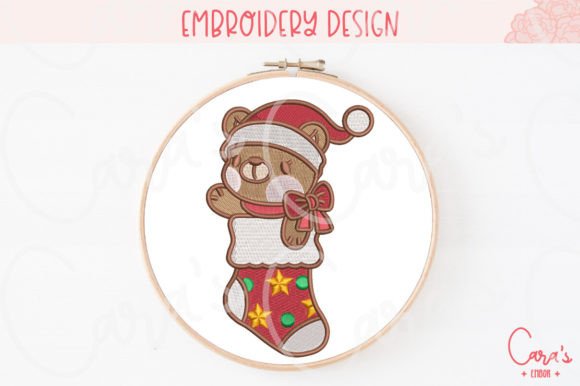
Hoza the Bear Christmas: A Designer’s Review
As an embroidery designer who has spent countless weekends standing behind craft fair booths, I know that not every design translates well from a digital screen to a physical product. When I first loaded Hoza the Bear Christmas into my digitizing software, I was looking for more than just cute aesthetics. I was looking for a workhorse design that could carry a booth display, photograph beautifully for online listings, and withstand the rigors of batch production. This review breaks down why this specific machine embroidery design might be the secret weapon for your holiday season sales.
First Impressions and Visual Appeal
The immediate impression of Hoza the Bear Christmas is one of warmth and festive charm. It does not try to be overly modern or minimalist; instead, it leans into the cozy, traditional vibe that dominates the holiday market. For craft fair sellers, this is crucial. Customers walking past your table are often looking for items that evoke nostalgia and comfort. The bear motif, combined with Christmas elements, creates an instant emotional connection.
From a design perspective, the balance between the character and the surrounding decorative elements feels intentional. It is bold enough to be seen from three feet away—a key metric for booth traffic—but detailed enough to reward closer inspection. This dual nature makes it versatile. It works as a focal point on a larger item like a pillow cover, yet it retains its clarity when scaled down for smaller accessories.
Product Versatility for Handmade Markets
One of the strongest assets of this embroidery file is its adaptability across various substrates. In my experience, a single strong design can anchor an entire product line if applied correctly. Here is how Hoza the Bear Christmas performs on common craft fair products:
- Tote Bag Design: Placing this design on a canvas tote creates an instant bestseller. The sturdy fabric supports the stitch density well, and the festive theme encourages impulse buys for holiday gift-giving.
- Apron Embroidery: Kitchen textiles are huge during the holidays. An apron featuring Hoza adds a playful touch to baking gifts. Ensure you use a cut-away stabilizer to prevent puckering on frequent washes.
- Tea Towel Embroidery: This is a tricky surface due to the loose weave. However, if you use a water-soluble topping, the design sits cleanly on the fabric texture without sinking in. It transforms a basic towel into a premium small shop product.
- Embroidered Patch: Creating iron-on or sew-on patches allows customers to customize their own jackets or bags. This design scales down surprisingly well, provided you simplify any tiny details in your digitizing software if necessary.
- Pillow Covers and Home Decor: As a central motif on a cushion, the design commands attention. It pairs beautifully with rustic or farmhouse-style interiors, which are perennial favorites in the handmade community.
Production Practicality and Batch Selling
For Etsy sellers and boutique makers, time is money. A design that is difficult to hoop or prone to thread breaks will kill your profit margins. Hoza the Bear Christmas appears to be structured for efficiency. The stitch paths seem logical, minimizing jumps and trims. This is essential when you are producing twenty identical tote bags for a weekend market.
Photography is another critical factor. This design has clear lines and distinct shapes, which means it photographs exceptionally well for digital embroidery file previews or finished product listings. High-contrast thread colors against neutral fabrics will make your printable mockup and real-life photos pop on social media feeds. When customers can clearly see the quality of the stitch work in a thumbnail image, click-through rates improve.
Navigating Technical Challenges
While the design is robust, there are careful-use notes every embroiderer should consider. First, evaluate the stitch density. If the bear’s fur or the Christmas elements are densely packed, you must match your stabilizer to your fabric. On thick fabric like denim or canvas, a heavy cut-away is non-negotiable. On textured towels, always use a topping to ensure the letters and fine details do not get lost in the pile.
Curved surfaces, such as caps, present another challenge. If you plan to put Hoza the Bear Christmas on a baseball cap, ensure the design width fits within the standard cap frame without distorting. Small lettering or intricate details may lose clarity if the hoop size is too small or if the fabric stretches during stitching. Always test on scrap fabric first. Do not assume the default settings will work for every material.
Enhancing Brand Consistency and Value
Using a cohesive design like this helps build brand recognition. If your booth features multiple items with the same charming bear motif, it creates a curated collection rather than a random assortment of goods. This visual consistency signals professionalism and care, increasing the perceived value of each handmade product. Customers are more likely to buy multiple items if they feel they are part of a themed set.
Furthermore, this design supports commercial embroidery efforts because it appeals to a broad demographic. It is safe for children’s items yet sophisticated enough for adult home decor. This wide appeal reduces the risk of unsold inventory. Whether you are selling the physical finished product or the digital embroidery file itself, the versatility of the artwork ensures it meets the needs of various creative entrepreneurs.
Designer Notes for Final Production
Before you commit to a large production run, follow these practical steps to ensure quality control:
- Test on Scrap Fabric: Never skip this step. Check for registration issues and thread tension on the exact material you plan to sell.
- Check Thread Contrast: Choose thread colors that stand out against your base fabric. A dark bear on a navy bag will vanish; opt for high-contrast combinations.
- Review Spacing and Hoop Size: Confirm that the design fits comfortably within your hoop with adequate margin for stability.
- Inspect Stitch Density: If areas look too dense, consider adjusting the underlay or reducing density slightly to prevent fabric stiffness.
- Verify Licensing: Since this is a commercial venture, confirm the license terms included with the design assets. Ensure you have the right to sell finished products made with this machine embroidery design.
In conclusion, Hoza the Bear Christmas is a strong contender for your holiday lineup. It balances aesthetic appeal with production practicality, making it ideal for both novice and experienced embroiderers. By paying attention to fabric choice, stabilizer selection, and presentation, you can turn this digital file into a tangible success at your next craft fair or online shop update.