Fishing for Trouble: A Designer’s Review for Branded Merch
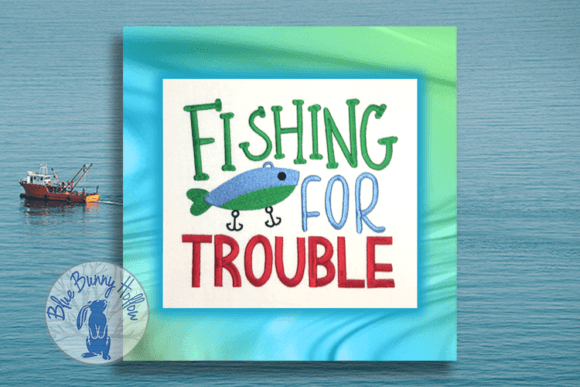
As an embroidery designer who has spent years digitizing files for small businesses, I approach every new machine embroidery design with a critical eye. It is not just about whether the art looks cute on a screen; it is about how it translates to fabric, how it holds up in production, and whether it adds genuine value to a brand. Today, I am reviewing Fishing for Trouble, a playful entry in the Fish category that promises to bring whimsy to your next project. With its tagline "Hook, line, and mischief," this design aims to add a touch of fun to fishing-themed apparel and accessories. But does it work for professional branded patch use and small business merchandise? Let us dive into the details.
First Impressions: Visual Personality and Brand Fit
The first thing that strikes me about Fishing for Trouble is its inherent friendliness. The description highlights a clever play on words paired with a visual gag: a fishing lure shaped like a fish dangling from the design. This creates an immediate sense of humor and approachability. For brands that want to appear accessible, family-oriented, or creatively mischievous, this aesthetic is a strong asset. It feels less like a rigid corporate logo and more like a conversation starter.
However, from a professional standpoint, we must consider if this whimsy undermines authority. For a high-end luxury boutique, this might be too casual. But for a local bait shop, a summer camp, a craft brewery with a rustic vibe, or a children’s clothing line, the playful nature of the embroidery file aligns perfectly with the target audience. The design leans heavily into a handmade, decorative feel rather than a sleek, modern minimalism. This distinction is crucial when deciding where to place it within your product lineup.
Real-World Applications for Small Business Merch
When I evaluate a design for commercial use, I imagine it on various substrates. Fishing for Trouble offers versatility, but it shines brightest in specific applications. Here is how I see it performing in real business scenarios:
- Embroidered Patches: This is perhaps the strongest use case. A patch allows you to control the backing and stabilizer independently of the garment. You can create a high-quality, iron-on or sew-on patch that customers can buy as a standalone item or add to their own jackets. The whimsical fish-lure motif works well as a collectible badge.
- Cap Embroidery: Placing this design on the front panel of a trucker hat or baseball cap can drive sales. However, because caps have a curved surface, you must ensure the design width fits within the standard 2.5 to 3-inch limit without distortion. The dangling lure element needs careful digitizing to ensure it does not look like a mistake when stitched on a curve.
- Tote Bag Design: Canvas tote bags are a staple for eco-friendly brands and local markets. The bold, playful lines of Fishing for Trouble can stand out against natural cotton or colored canvas, making it an excellent choice for event merch or retail packaging alternatives.
- Apron Embroidery: For cafes, bakeries, or craft studios, branded aprons create a unified team look. Adding this design to the chest pocket area adds personality without being overwhelming. It signals to customers that your staff is friendly and approachable.
Navigating Technical Challenges and Production Risks
While the concept is charming, execution is everything. As a designer, I have seen many promising concepts fail due to poor technical preparation. Here are the areas where you need to exercise caution with Fishing for Trouble:
Stitch Density and Fabric Texture: Whimsical designs often rely on fine details to convey expression. If the stitch density is too high, the fabric may pucker, especially on lightweight materials like t-shirts or thin tote bags. Conversely, if the density is too low, the design may look sparse and unprofessional. Always test the design on the exact fabric you intend to use. Textured fabrics, such as terry cloth towels or heavy denim, can swallow up small details, so ensure the outlines of the fish and lure are bold enough to remain visible.
Small Patch Sizes: If you plan to shrink this design for a small label or a tiny chest logo, verify that the text remains legible. Tiny lettering in embroidery can become a blob of thread if not properly spaced. Check the spacing between the letters in "Trouble" and the graphical elements. If the design includes fine lines for the fishing line, ensure they are thick enough to stitch reliably without breaking.
Thread Colors and Contrast: The success of this design relies on contrast. If you are stitching on dark uniforms, you will need bright, vibrant thread colors to make the fish pop. Test your thread colors against your base fabric before running a full production batch. A lack of contrast can render the clever wordplay invisible from a distance.
Impact on Brand Identity and Customer Trust
Your choice of design assets directly influences your brand identity. Using Fishing for Trouble signals that your business does not take itself too seriously. It invites engagement and smiles. For handmade brands and Etsy sellers, this emotional connection can increase buyer engagement and perceived value. Customers often pay a premium for items that feel personal and unique, and a well-executed embroidered piece delivers that tactile quality.
Consistency is key. If your brand is known for rugged, serious outdoor gear, this playful design might confuse your audience. However, if your brand voice is lighthearted and community-focused, this design reinforces that message. It transforms a simple piece of custom apparel into a memorable branded asset that customers are proud to wear.
Practical Designer Notes for Production
Before you commit to a large run of commercial embroidery, follow these steps to ensure quality:
- Test in Black and White: Before selecting your final palette, stitch the design in black thread on white fabric. This helps you identify any issues with shape recognition and detail clarity without the distraction of color.
- Check Hoop Size Compatibility: Confirm that the design fits comfortably within your machine’s hoop size. Leave at least half an inch of margin around the design to prevent hoop burn and ensure stable stitching.
- Use Proper Stabilizer: The right stabilizer is non-negotiable. For stretchy fabrics, use a cut-away stabilizer. For woven fabrics like twill or canvas, a tear-away may suffice, but always prioritize stability to prevent puckering.
- Create a Printable Mockup: Use digital tools to place the design on photos of your actual products. This helps you visualize scale and placement before stitching a single thread. Share this printable mockup with clients for approval if you are doing custom work.
- Verify Licensing: Ensure that your purchase of the digital embroidery file includes commercial rights. Never assume a license covers unlimited production; read the terms carefully to avoid legal issues.
In conclusion, Fishing for Trouble is a delightful addition to any designer’s library, provided it is used with intention. It excels in creating friendly, engaging merchandise for brands that value personality. By paying attention to technical details like stitch density, fabric choice, and placement, you can turn this whimsical concept into a profitable and professional finished product. Whether you are creating patches for a local shop or branded gifts for a creative studio, this design has the potential to hook your customers’ attention and keep them coming back for more.