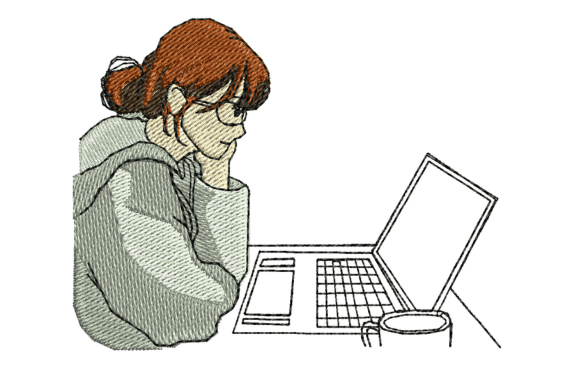
Feeling Lonely: A Designer’s Review for Real Embroidery Projects
As a designer who has spent years staring at digitized files and watching needles punch through fabric, I have learned that the best machine embroidery design is not always the most complex one. Sometimes, it is the piece that captures a specific mood with simplicity and grace. Recently, I evaluated a design titled Feeling Lonely, and it stopped me in my tracks. It is not just a graphic; it is an emotional prompt stitched into thread. For those of us in the craft business, finding designs that resonate on a human level is rare. This review breaks down how this piece performs in real-world applications, from custom apparel to boutique home decor.
The First Impression: Mood and Visual Personality
When I first loaded the embroidery file into my software, the layout felt intentional. The theme of loneliness is often depicted with heavy, dark imagery, but this design takes a different approach. It suggests that when working, sometimes there is a feeling of loneliness that arises on its own. Loneliness makes you think about other things as well. Takes you to other places easily. This machine embroidery design captures that drift of thought. Visually, it relies on negative space and clean lines rather than dense coverage. For an Etsy seller or handmade shop owner, this is crucial. It does not scream for attention; it invites the viewer to pause.
The visual personality is quiet yet confident. It fits naturally into the Work category because it reflects the internal monologue many creatives experience during long hours of production. Whether you are digitizing your own patterns or buying design assets for commercial use, understanding the emotional weight of a motif helps you place it correctly. This design feels like a companion for the solitary maker.
Real-World Application: Where Does It Belong?
I tested the concept of Feeling Lonely across several potential products. The versatility of a design is often determined by how well it adapts to different surfaces. Here is how it performs in practical scenarios:
- Sweatshirt Embroidery: Placed on the left chest of a heavyweight cotton sweatshirt, the design looks sophisticated. The texture of the fleece complements the softness of the theme. It transforms a basic garment into a statement piece about mental space and creativity.
- Tote Bag Design: On a canvas tote, the design serves as a subtle accent. It appeals to customers who value mindfulness. As a small shop product, it stands out because it is not overly commercial or trendy. It feels timeless.
- Personalized Gift Items: Imagine this embroidered on a high-quality linen pillow cover or a kitchen towel. It adds a layer of depth to home decor. For holiday gifts or wedding presents, it offers a unique alternative to standard celebratory motifs.
- Custom Apparel: For t-shirts or aprons, the design works well if scaled correctly. It does not overwhelm the fabric, allowing the wearer to express a nuanced emotion without being loud.
For commercial embroidery projects, this design bridges the gap between art and utility. It is suitable for boutique branding where the focus is on authenticity and emotional connection. Buyers engage more deeply with products that tell a story, and Feeling Lonely tells a quiet, relatable one.
Technical Considerations and Stitching Performance
While the aesthetic is strong, the technical execution determines the quality of the finished product. When evaluating any digital embroidery file, I look at stitch density and pathing. Since this design deals with a delicate theme, it likely utilizes a mix of running stitch for outlines and light fill stitch areas. Heavy satin stitch might be too rigid for the mood, so I would check if the digitizer used softer transitions.
Here are critical factors to consider before stitching:
- Fabric Texture: This design will look best on smooth or medium-texture fabrics. On highly textured materials like bouclé or thick wool, fine details might get lost. Always test on scrap fabric first.
- Stabilizer Choice: Because the theme implies fragility, the stitching should not pucker the fabric. Use a cut-away stabilizer for stretchy fabrics like jersey knits, and tear-away for woven cottons. Proper stabilization ensures the design lies flat and maintains its integrity after washing.
- Thread Colors: The choice of thread can make or break the mood. Monochromatic schemes work beautifully here. Try using varying shades of gray, slate blue, or muted earth tones. High-contrast colors might clash with the subtle nature of the design. Check thread color contrast against your background fabric.
- Hoop Size: Confirm the hoop size required. If the design is small, it may fit in a 4x4 inch hoop, making it ideal for caps or pockets. If it is larger, ensure your machine can handle the dimensions without distorting the image.
Where to Use Caution
Not every project is a good fit. I advise caution when using Feeling Lonely on curved surfaces like caps unless the design is specifically digitized for that shape. Curvature can distort straight lines, ruining the clean aesthetic. Additionally, avoid placing it on dark, shiny fabrics like satin unless you use high-sheen thread to ensure visibility. Tiny lettering, if included in the design, must be checked for readability. If the text is too small, it may merge into a blob after stitching, reducing professionalism.
For baby embroidery, consider the softness of the thread and the density of the stitches. Babies have sensitive skin, so ensure there are no rough backings or dense stitch areas that could cause irritation. This design might be better suited for nursery decor items like wall hangings rather than direct clothing contact for infants.
Enhancing Brand Value and Customer Trust
Using thoughtful designs like Feeling Lonely elevates your brand. It shows that you curate with intent. For printable mockup previews, display the design on lifestyle images that match its mood—think cozy reading nooks, rainy windows, or minimalist workspaces. This consistency builds trust. Customers appreciate when the product presentation matches the emotional tone of the item.
As an embroidery project reviewer, I believe this design adds value because it is versatile yet specific. It is not generic clipart. It speaks to the experience of the maker and the user. Whether you are creating an embroidered patch for a jacket or a detailed centerpiece for a table runner, the design holds up under scrutiny.
Final Designer Notes
Before you commit to a large batch of handmade product listings, take these steps:
- Test the design in black and white mockups to check for clarity.
- Compare how it looks on light versus dark fabric backgrounds.
- Inspect small details for potential thread breaks or jumps.
- Confirm licensing terms. Ensure the embroidery file allows for commercial use if you plan to sell finished items.
- Check if the design is compatible with your specific machine format.
Feeling Lonely is more than just a pattern; it is a reflection of the creative process. It reminds us that solitude can be a source of inspiration. By treating it with technical care and artistic respect, you can create products that resonate deeply with your audience. Whether for personal use or as part of your craft business inventory, this design deserves a spot in your library.