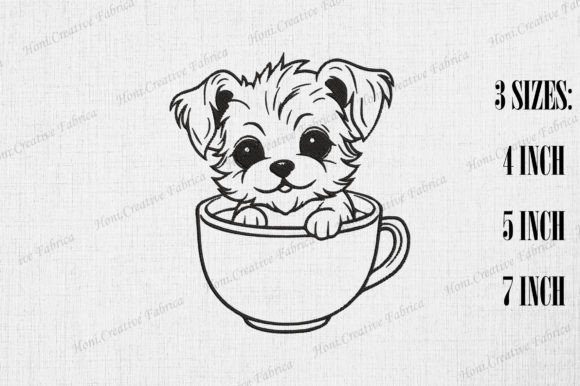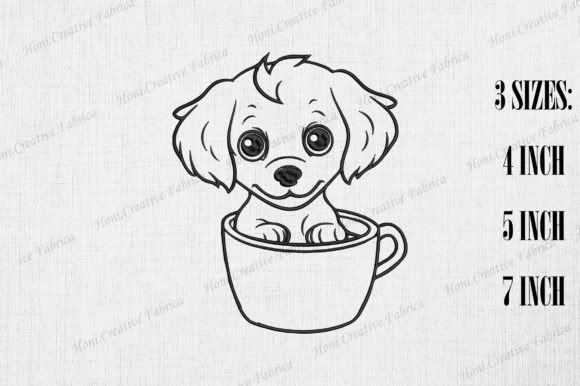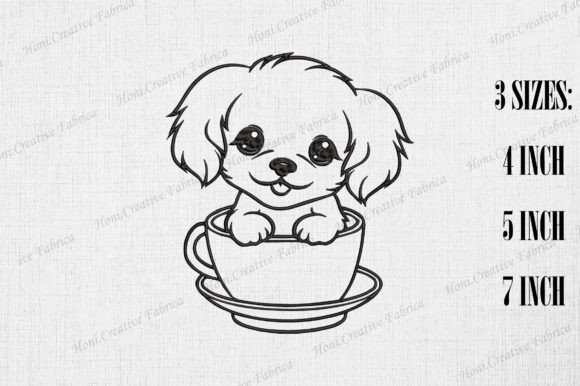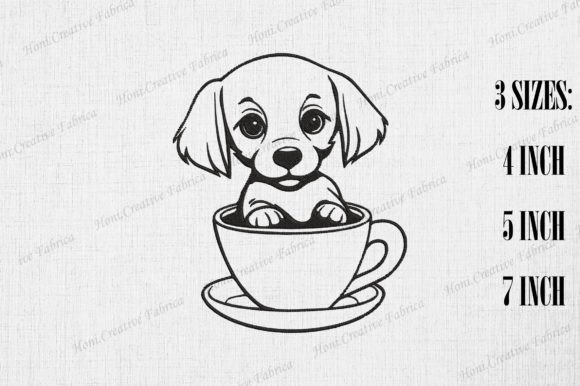
Review: Cute Boston Terrier Dog in Coffee Cup Design
As an embroidery designer who has spent countless weekends behind a craft fair table, I have learned that success is not just about having pretty designs. It is about understanding what stops a shopper in their tracks. When I first loaded the Cute Boston Terrier Dog in Coffee Cup machine embroidery design into my software, my immediate reaction was one of delight mixed with strategic calculation. This is not just a cute image; it is a potential bestseller for the right product mix.
The visual appeal of this design strikes a perfect balance between whimsical and cozy. It feels inherently modern yet retains a soft, handmade charm that resonates deeply with buyers looking for unique gifts. For those of us in the business of creating handmade products, finding a design that translates well across various fabric types is crucial. This particular motif, featuring a beloved breed nestled inside a warm beverage container, taps into two massive markets: dog lovers and coffee enthusiasts.
First Impressions and Visual Impact
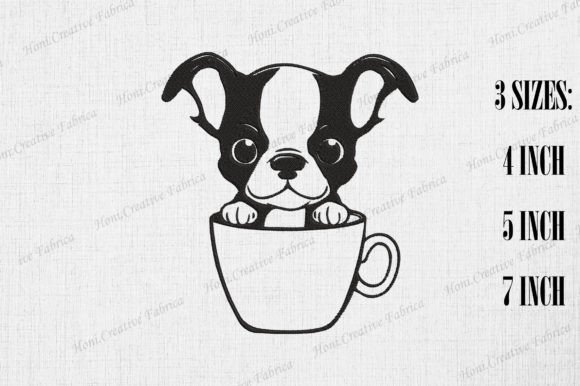
The first thing you notice about the Cute Boston Terrier Dog in Coffee Cup is its clarity. In a busy craft fair environment, customers scan tables quickly. A design needs to be understood at a glance. This motif achieves that. The contrast between the dark and white markings of the Boston Terrier and the likely neutral or pastel tones of the coffee cup creates a natural focal point. It does not feel cluttered or overly complex, which is essential for maintaining a premium look on a small shop product.
When evaluating this as a craft fair product, I consider the "cute factor" versus the "elegance factor." This design leans heavily into cute, but it avoids being childish. This versatility allows it to work on baby’s onesies just as effectively as it does on a sophisticated kitchen towel. For Etsy sellers and boutique makers, this broad appeal means a wider target audience without needing to create entirely separate design collections.
Strategic Product Placement
To maximize sales, you must match the design to the right substrate. Here is how I would deploy this embroidery file across a typical market inventory:
- Tote Bag Design: This is arguably the strongest candidate. A canvas tote provides a large, flat surface where the design can shine. Placing the Cute Boston Terrier Dog in Coffee Cup centrally on a natural or cream-colored tote creates an instant statement piece. It is practical, durable, and highly giftable.
- Apron Embroidery: Kitchenware is a staple of handmade markets. An apron featuring this design appeals to home cooks who love their pets. The placement should be on the bib or the lower pocket area to ensure visibility when worn.
- Tea Towel Embroidery: Textured towels can be tricky, but if the stitch density is managed correctly, this design adds significant value to a simple linen or cotton towel. It transforms a utility item into a decorative kitchen accent.
- Embroidered Patch: If the design scales down well, turning it into an iron-on or sew-on patch allows customers to customize their own jackets or bags. This is a low-cost, high-margin small shop product.
- Caps and Hats: Curved surfaces require careful digitizing. If the design is not too wide, it can work on a dad hat, adding a playful touch to everyday wear.
Production Practicalities and Technical Notes
While the aesthetic is strong, the technical execution determines whether your finished product looks professional or amateur. As a digital embroidery file, this design likely comes with specific requirements that must be respected. Before committing to batch production, you must verify the hoop size and stitch count. Although the description states you can embroider this design on clothes, baby’s onesies, home decor, t-shirts, tablecloths, kitchens, towels, and more, each of these materials behaves differently.
One critical consideration is stitch density. If the design is too dense for a lightweight t-shirt, it will pucker and distort the fabric. Conversely, if it is too sparse for a thick towel, it may look flimsy. Always test the design on scrap fabric that matches your final product material. Pay close attention to the thread colors. Boston Terriers have distinct black and white markings; ensuring high contrast here is vital for the dog’s face to remain expressive and recognizable.
Another practical note involves the "coffee cup" element. If the cup includes fine details like steam swirls or small text, these may get lost on textured fabrics like terry cloth. In such cases, consider using a cut-away stabilizer to provide extra support and prevent the stitches from sinking into the pile. For dark fabric, you may need to adjust the thread palette or use an underlay to ensure the colors pop.
Marketing and Brand Consistency
For creative entrepreneurs and commercial embroidery businesses, consistency is key. The Cute Boston Terrier Dog in Coffee Cup fits seamlessly into brands that focus on home, comfort, and pet love. When creating printable mockups for your online listings, ensure the lighting highlights the texture of the stitches. High-quality photos of the actual embroidered item perform better than digital renderings alone.
This design also serves as an excellent booth sample. Displaying it on a variety of items—such as a pillow cover, a market bag, and a small pouch—shows customers the versatility of your work. It encourages upsells, as a customer might buy the tote bag and then decide they also want the matching tea towel.
Essential Pre-Production Checklist
Before you list this as a finished product or sell it as a digital embroidery file, run through this checklist:
- Test on Multiple Fabrics: Stitch out samples on cotton, canvas, and toweling to check for puckering or distortion.
- Check Thread Contrast: Ensure the black and white threads used for the dog stand out against the cup and background fabric.
- Verify Hoop Size: Confirm that the design fits within your standard hoops to minimize re-hooping time during production.
- Review Stabilizer Needs: Determine if tear-away or cut-away stabilizer is best for your chosen materials.
- Confirm Licensing: If you are buying this as a design asset, read the license terms carefully. Ensure it allows for commercial embroidery and the sale of finished physical goods.
- Create Real Mockups: Photograph the actual stitched item in natural light to use in your Etsy seller listings and social media marketing.
In conclusion, the Cute Boston Terrier Dog in Coffee Cup is a strong contender for any embroidery business looking to expand its Dogs category. It combines emotional appeal with practical versatility. By paying attention to fabric texture, stitch density, and strategic product placement, you can turn this single design into a cornerstone of your craft fair inventory. It is a reminder that in the world of handmade goods, the right design on the right product can create a lasting connection with your customers.